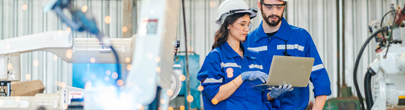
Machine Learning & Computer Vision

As the digital landscape continues to evolve, Machine Learning (ML) and Computer Vision are at the forefront of transforming business operations. These cutting-edge technologies enable machines to learn from data, recognise patterns, and interpret visual information in ways previously only possible for humans. Integrating machine learning and computer vision into your operations can unlock new levels of automation, efficiency, and innovation.

Schedule a free consultation

We deliver software that solves problems. Take the first step.

This field is for validation purposes and should be left unchanged.

100s of successful solutions delivered

What is Machine Learning?

Machine Learning (ML) is a branch of artificial intelligence (AI) that allows computers and systems to learn and improve from experience without being explicitly programmed. By analysing vast amounts of data, ML algorithms can identify patterns, make predictions, and optimise processes over time.

Machine learning empowers businesses to automate complex tasks, generate data-driven insights, and make smarter decisions, leading to increased productivity and reduced operational costs.

What is Computer Vision?

Computer Vision is a field of AI that enables machines to interpret and understand visual information from the world, such as images, videos, and live camera feeds. Using advanced algorithms and deep learning techniques, computer vision systems can recognise objects, detect patterns, and analyse images in real time.

Computer vision is a key technology behind facial recognition, autonomous vehicles, augmented reality, and various industrial automation applications, offering businesses new ways to innovate and enhance operational efficiency.

How Machine Learning & Computer Vision Work Together

When combined, machine learning and computer vision create robust AI systems capable of analysing structured data (like numbers and statistics) and unstructured visual data (like images and videos). Here’s how they work together:


Data Collection

Data Collection

The system gathers large volumes of visual data (images, videos, etc.) and structured data (numerical or textual), then trains machine learning models.

Feature Extraction

Feature Extraction

In computer vision, key features from the visual data are extracted, such as edges, shapes, and textures. Machine learning algorithms then process these features to identify patterns and relationships.

Model Training

Model Training

Machine learning models are trained on the extracted data to recognise specific objects, detect anomalies, or predict outcomes. Over time, the model improves its accuracy and performance as it learns from new data.

Real-Time Analysis

Real-Time Analysis

Once trained, the AI system can analyse visual data in real-time, making it possible to automate tasks such as quality control in manufacturing, object detection in security systems, or even facial recognition in retail environments.

Key Benefits of Machine Learning & Computer Vision

Automating Complex Processes

Automating Complex Processes

Machine learning and computer vision allow businesses to automate traditionally manual processes, such as visual inspections, quality control, or data analysis. This reduces human error, speeds up operations, and improves consistency.

Enhanced Accuracy and Precision

Enhanced Accuracy and Precision

AI-driven systems powered by ML and computer vision offer high levels of accuracy in tasks such as facial recognition, object detection, and image classification. This precision leads to more reliable results and better decision-making.

Real-Time Decision Making

Real-Time Decision-Making

Machine learning and computer vision enable businesses to make faster, more informed decisions by processing and analysing data in real time. Whether detecting anomalies in manufacturing or identifying security threats, real-time insights drive operational efficiency.

Scalability

Scalability

Machine learning models can scale effortlessly as your data grows, allowing businesses to handle increasing amounts of information without compromising performance. Computer vision systems can analyse vast datasets of images or videos, making them ideal for industries with significant visual data needs.

Cost Savings

Cost Savings

Automating labour-intensive tasks using ML and computer vision reduces the need for manual oversight and intervention, leading to significant cost savings over time. Additionally, improved accuracy minimises costly errors and rework.

Applications of Machine Learning & Computer Vision

Manufacturing

Manufacturing

In manufacturing, computer vision systems powered by machine learning are used for automated quality inspection, detecting defects, and ensuring products meet high standards. This reduces waste and enhances product reliability.

Healthcare

Healthcare

Machine learning and computer vision are revolutionising healthcare by assisting in medical imaging analysis, such as detecting tumors in radiology scans or diagnosing conditions through visual data. These systems improve diagnostic accuracy and enable early detection of diseases.

Retail

Retail

Facial recognition and behavioural analysis powered by computer vision help personalise customer experiences, improve security, and prevent theft in retail. Machine learning also enhances inventory management and sales forecasting.

Autonomous Vehicles

Autonomous Vehicles

Computer vision is essential for autonomous vehicles, enabling them to perceive their surroundings, detect obstacles, and make real-time driving decisions. ML algorithms continuously learn from driving data to improve vehicle safety and navigation.

Security and Surveillance

Security and Surveillance

AI-driven security systems use computer vision to monitor live camera feeds, detect suspicious activities, and identify threats. Machine learning enhances these systems by enabling them to adapt to changing environments and improve threat detection over time.

Agriculture

Agriculture

In agriculture, computer vision systems monitor crops, detect pests, and analyse soil conditions. Machine learning models help farmers optimise their practices, leading to higher yields and reduced waste.

Why Your Business Needs Machine Learning & Computer Vision

In an era where data is the new currency, Machine Learning, and Computer Vision are vital tools for businesses looking to stay ahead of the curve. By integrating these technologies into your operations, you can:

Automate manual processes

Automate manual processes

Free up valuable human resources by automating repetitive, labour-intensive tasks.

Improve decision-making

Improve decision-making

Leverage real-time insights to make informed, data-driven decisions.

Enhanced Customer Experience

Enhance customer experiences

Personalise interactions and offer innovative services powered by AI.

Boost operational efficiency

Boost operational efficiency

Streamline workflows, reduce errors, and increase productivity.

The Future of Machine Learning & Computer Vision

As AI advances, the potential applications of Machine Learning and Computer Vision will expand across industries. Future innovations will focus on improving these technologies’ accuracy, speed, and adaptability, enabling businesses to solve even more complex problems and unlock new growth opportunities.

Unlock the Power of Machine Learning & Computer Vision

Are you ready to revolutionise your business with AI-powered solutions? Machine Learning and Computer Vision can transform how you operate, helping you achieve new levels of efficiency, innovation, and success.

Transform Your Business Today